
2000 F250 Seat Covers
Do the seats in your 2000 F250 feel worn down long before the truck itself shows its age? Years of work, long drives, and daily use take a toll on seating comfort, often leaving cushions sagging and surfaces stretched or uneven. When that happens, every drive becomes a reminder that the interior is no longer keeping up.
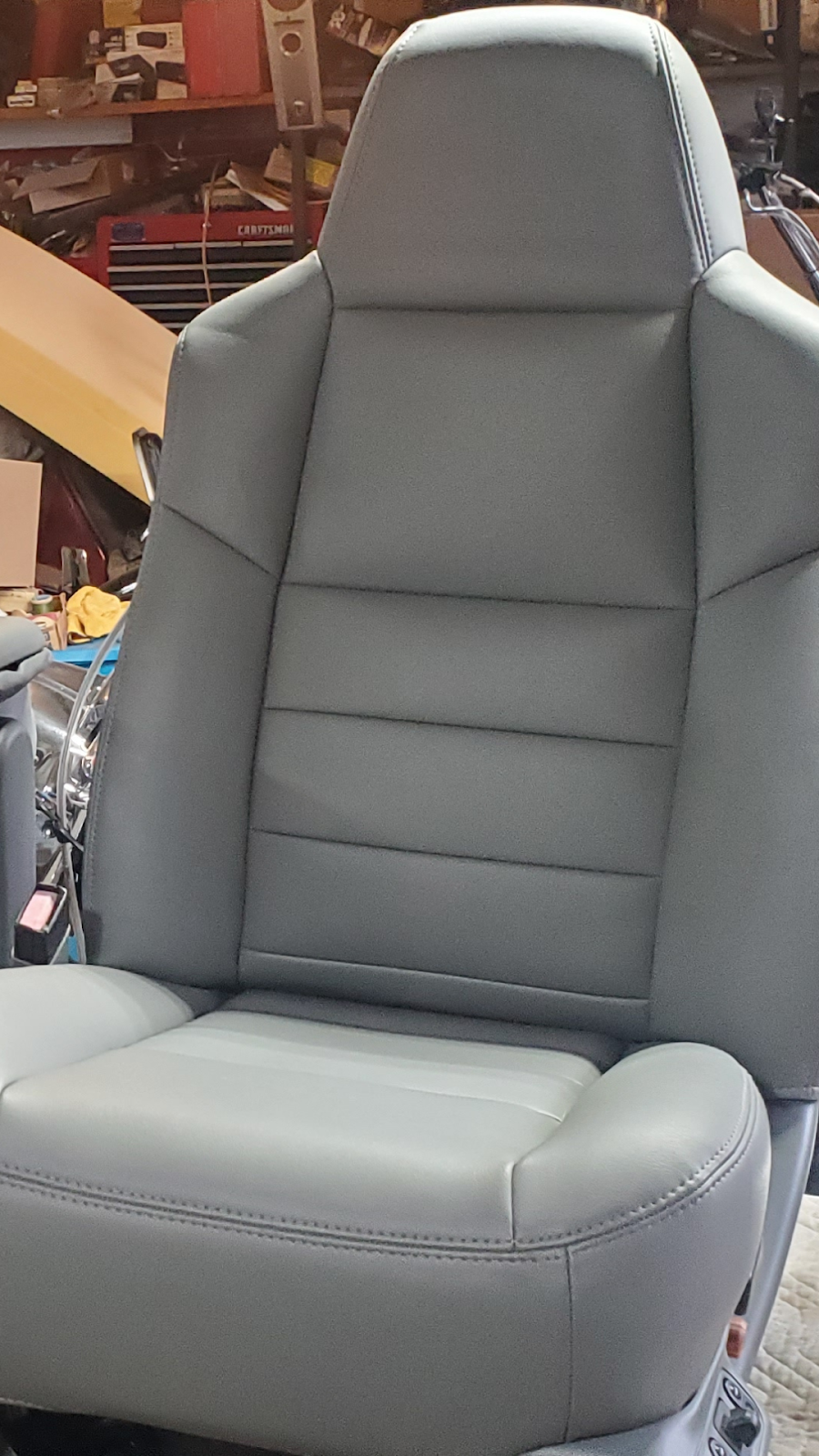
Understanding Seat Wear In A 2000 F250
A 2000 F250 has often spent years on the road and on the job, and the seats usually show that history first. Even when the truck itself remains dependable, worn seating can affect comfort, posture, and confidence behind the wheel. Understanding how this wear develops helps explain why replacement becomes the right solution.
Why Early 2000s F250 Seats Wear Differently
Seats from this era were built for durability, but time and use still take their toll. Repeated entry and exit, long drives, and constant pressure gradually weaken upholstery, especially on the driver's side. As materials age, flexibility and resilience fade, leading to visible wear.
Common Damage Points On Older Super Duty Seats
High-contact areas like bolsters, lower cushions, and seams experience the most stress. These zones often exhibit thinning material, loose surfaces, and seam separation as the seat ages from years of daily use.
How Age Impacts Upholstery And Foam Together
Upholstery damage rarely happens on its own. As the outer material breaks down, the foam underneath often compresses or loses shape. This combination leads to sagging seats and uneven support, which become more noticeable over time.
When Cleaning And Minor Fixes Stop Working
Cleaning improves appearance, but it cannot restore stretched material or collapsed foam. Once comfort and fit are affected, surface-level fixes no longer solve the problem, and the seat continues to feel worn.
Why Replacement Restores Structure And Comfort
Replacing worn upholstery removes damaged material and restores proper tension across the seat. Our factory-matched replacements, including solutions for 2000 Ford F250 seat covers, are built to bring back structure, support, and a solid seating feel that matches how the truck was originally designed.
How Seat Layout And Usage Affect A 2000 F250 Interior
Not every 2000 F250 is used the same way, and how the seats are used plays a major role in how they wear over time. Looking at seating layout and usage patterns helps explain why certain areas break down faster and why replacement fit needs to be precise.
- Front Seat Workload Differences: Driver seats experience the most stress due to constant entry, exit, and movement. Over time, this leads to faster breakdown than in passenger seating, even when the materials appear similar.
- Shared Seating In Larger Cab Layouts: Trucks with wider interiors see greater variation in seating use across positions. Seat covers 2000 f250 crew must account for broader surfaces and shared passenger use without creating loose or overstretched areas.
- Rear Seat Wear Patterns: Rear seats often show different wear, such as foam compression rather than surface abrasion. Replacement upholstery needs to reflect these patterns to sit correctly and feel balanced.
- Support Beneath The Upholstery Matters: Upholstery performance depends heavily on the condition of the foam. Comparing how underlying support affects comfort, such as with our F150 Seat Cushions, shows why restoring support is just as important as replacing surface material.
- Usage-Based Fit Prevents Future Issues: When replacement upholstery is designed around how seats are actually used, tension stays even, and stress points are reduced, helping prevent premature wear after installation.
This approach keeps the interior consistent across seating positions and helps a 2000 F250 remain comfortable and dependable as use continues.
If worn seating is affecting comfort or focus behind the wheel, it’s time to fix the problem at its source. At The Seat Shop, we help F250 owners replace damaged seat upholstery with solutions built for real use. Restore how your seats feel, support long drives, and keep your interior dependable for the miles ahead.
Choosing The Right Replacement For A 2000 F250
Once seat wear is clear, choosing the right replacement determines whether the fix truly lasts. Older trucks benefit most from solutions that restore structure and comfort rather than covering damage.
Why Replacement Works Better Than Cover-Over Options
Cover-over options rely on straps or elastic to hide worn material underneath. Because they sit on top of damaged upholstery, they shift during use and fail to correct stretched fabric or weakened attachment points. The replacement removes the worn cover entirely and installs a new one at the original attachment locations, restoring proper fit and stability.
How Factory-Matched Fit Improves Comfort
Seats are designed to support the body evenly across the frame. When replacement upholstery is built to the correct dimensions, it stays tight through high-stress areas and distributes weight consistently. This helps eliminate pressure points and restores the firm, supportive feel drivers expect.
Material Considerations For Older Interiors
Material choice plays a key role in both comfort and longevity. Many owners consider 2000 f250 leather seat covers when the original leather has cracked or worn thin. Matching the original material ensures the replacement flexes, stretches, and settles the way the seat was designed to function.
Restoring Proper Support Beneath The Surface
Worn upholstery often signals deeper issues with foam support. Addressing both the cover and the underlying structure helps the seat regain proper posture and prevents the new material from feeling loose or uneven after installation.
Why Super Duty Fit Standards Matter
Super Duty seats are built differently from lighter trucks, with unique frames and attachment layouts. Comparing seat cover fit across models like our F350 Seat Covers highlights why replacements must be built specifically for the F250. Choosing the right replacement restores comfort and helps the seat hold up over time.
Crew Cab And Seating Configuration Considerations For A 2000 F250
A crew cab F250 is built to carry more passengers and handle more daily use, which changes how the seats are designed and how replacement upholstery needs to fit. Ignoring these layout differences often leads to loose material, uneven wear, and discomfort that shows up quickly after installation.
Why Crew Cab Interiors Require Different Fit Standards
Crew cab models have wider seating surfaces and different spacing between seat components. Replacement upholstery must account for those dimensions so the material stretches evenly and sits correctly across each seating position.
Accounting For Front And Rear Seat Differences
Front seats typically experience heavier wear, while rear seats often show compression and loss of shape over time. Replacements designed for a full-cab interior ensure both areas receive proper coverage without creating tension issues.
Ensuring Full Coverage Across All Seating Rows
In larger cabins, even small fit inaccuracies become noticeable. Solutions built specifically for 2000 Ford F250 crew cab seat covers help maintain consistent coverage and prevent gaps, sagging, or loose areas throughout the interior.
Why Configuration Accuracy Prevents Early Wear
When upholstery is not matched to the correct cab layout, stress points develop where material pulls or bunches. Over time, this leads to premature breakdown even on new covers. Correct configuration helps distribute pressure evenly.
How Full-Size Ford Interiors Compare
Seating layouts vary across Ford’s full-size lineup. Comparing seat cover construction with models like our Ford Expedition Seat Covers highlights why cab-specific design matters. A 2000 F250 crew cab requires replacements built for its exact interior layout to maintain comfort and durability.
Installation And Support For Older F250 Models
Installing replacement seat covers on a 2000 F250 is not complicated, but older trucks benefit from a more thoughtful approach. Years of use affect foam, frames, and attachment points, which is why understanding the full process helps ensure the finished result feels solid, comfortable, and built to last.
Preparing Seats For Replacement On Older Trucks
Before new upholstery is installed, the original cover needs to be carefully removed. This step exposes the seat frame and foam, allowing worn areas to be identified instead of hidden. Proper preparation helps the replacement cover sit flat and stretch evenly once installed.
Inspecting Foam And Frame Condition
On a truck from 2000, foam breakdown is common, especially on the driver's seat. Collapsed foam alters seating posture and makes new upholstery feel loose. Inspecting and addressing support issues before installation helps restore the seat’s original feel rather than masking deeper problems.
Installation Expectations For DIY Owners
Many F250 owners prefer handling installation themselves. Replacement covers designed for an exact fit make the process more predictable, with attachment points that line up correctly and material that settles naturally into place. A methodical approach helps avoid wrinkles or uneven tension.
When Professional Installation Is The Better Option
Some owners choose professional installation for convenience or peace of mind, especially when working with older seats. Fit accuracy matters more than speed, and experienced installers understand how to address age-related wear during the process. We also offer an installer locator to help customers find professional support when needed.
Warranty Support And Long-Term Confidence
A quality replacement should come with reassurance. Our seat covers are backed by a warranty that reflects our commitment to durability and craftsmanship. Whether installed at home or by a professional, proper installation helps the upholstery hold up to continued use. Comparing seat construction across different Ford models, such as our Ford Ranger Seat Covers, reinforces why model-specific design and support matter, especially on older trucks.
When installed correctly and supported properly, replacement seat covers help extend the life of a 2000 F250 interior and keep it comfortable for years to come.
Restoring Comfort And Function To A 2000 F250 Interior
Restoring the interior of a 2000 F250 is about keeping the truck comfortable, dependable, and ready for continued use. A well-executed replacement helps the seats perform the way they were originally intended, even after years on the road.
- Improved Daily Comfort: Replacing worn upholstery restores even support across the seat, reducing pressure points and helping the seat feel firm and comfortable during everyday driving and longer trips.
- Better Support For Long-Term Use: Properly fitted replacement covers help maintain posture and stability, making a noticeable difference during extended time behind the wheel and repeated daily use.
- Consistent Interior Function: When upholstery fits correctly, seat adjustments work smoothly, and material stays in place, preventing shifting, bunching, or uneven wear over time.
- Extended Seat Lifespan: Addressing both surface wear and underlying support helps slow future breakdown, allowing the interior to hold up better as the truck ages.
- Confidence In A Proper Fix: Restoring seats the right way brings back a solid, dependable feel, helping the interior match the reliability that keeps a 2000 F250 on the road year after year.
When the seating feels right again, every drive becomes more comfortable and controlled, allowing the truck to continue doing what it was built to do without distraction or discomfort.
They are designed to replace worn upholstery, restoring proper fit, structure, and support rather than covering damage or sitting loosely over existing material.
Yes. Seat frames and attachment points vary by year, so replacements built specifically for a 2000 model ensure correct fit and consistent tension.
Yes. Replacing worn upholstery restores even support and proper seating posture, especially when the foam condition is addressed during installation.
Yes. Crew cab interiors feature wider seating surfaces and different layouts, which require replacements designed for those configurations to avoid a loose or uneven fit.
Yes. When properly fitted, replacement seat covers are designed to withstand daily driving and long-term use without shifting or premature wear.
Many owners choose to install replacement seat covers themselves. Exact-fit construction makes the process more predictable for DIY-minded truck owners.