
Best Seat Covers
When it comes to the best seat covers, the difference lies in how well they integrate with your vehicle’s interior, the quality of the materials used, and how they wear over time. A well-designed seat cover fits the contours of your seat, holds in place without shifting, and complements your cabin’s original look and feel. True quality seamlessly blends comfort, durability, and function, enhancing your driving environment without drawing attention to itself.
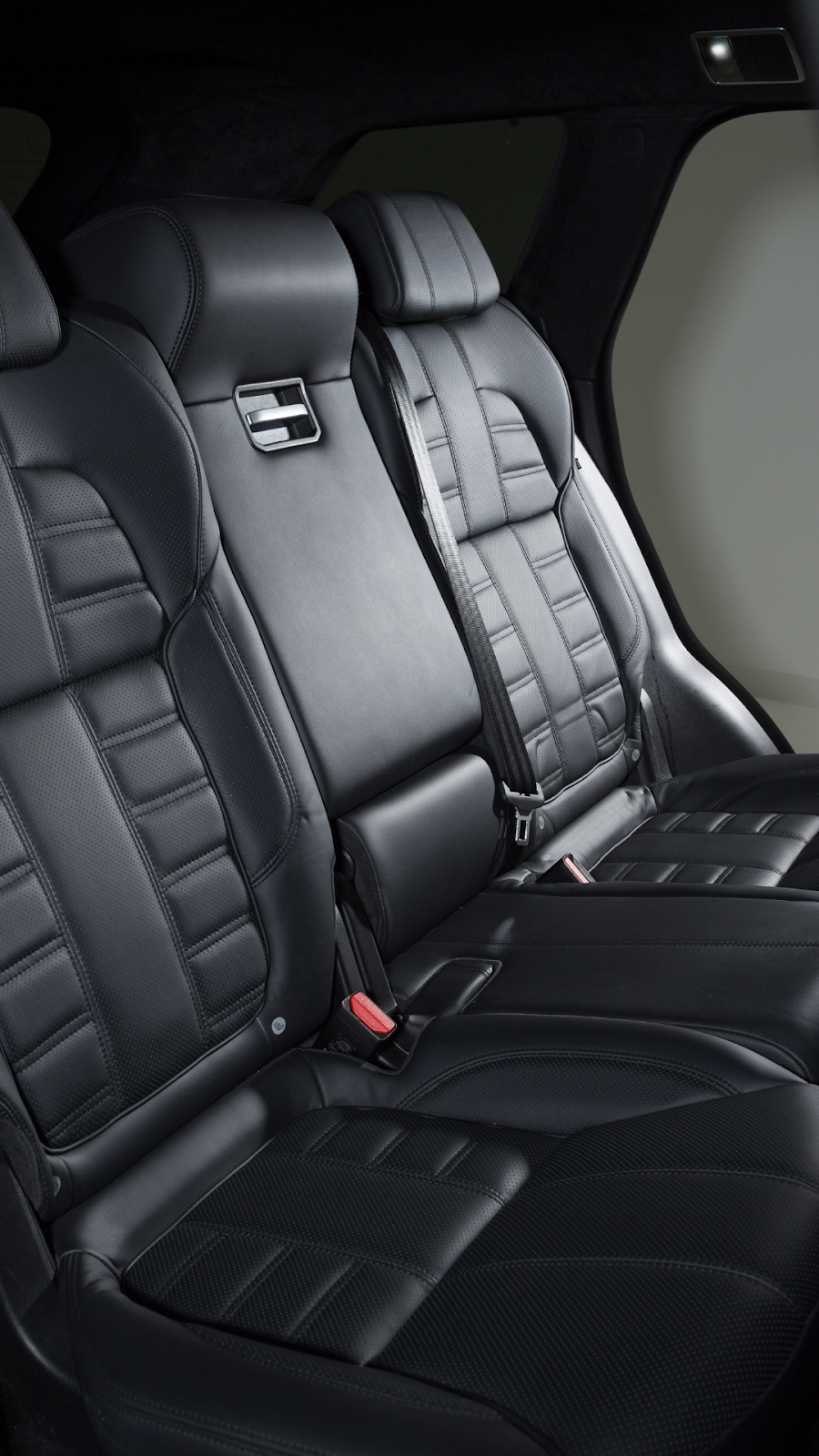
Why Precision Fit Matters For Truck And SUV Seats
Seat covers influence far more than appearance, which is why choosing the best seat covers for truck interiors comes down to fit as much as material. Precision-fit designs enable covers to work seamlessly with the seat’s contours, safety systems, and support zones, unlike many options found in broader Best Truck Seat Covers categories that rely on stretch rather than precise alignment.
How Seat Design Relies On Exact Dimensions
Truck and SUV seats are engineered with specific contours, bolsters, and support zones. Precision fit covers are patterned to follow these dimensions exactly, allowing the seat to maintain its intended shape. Covers that ignore these details often distort the seat surface, changing how weight is distributed and reducing overall comfort during daily driving.
Preventing Movement And Premature Wear
Loose or generic covers shift with every entry, exit, and adjustment. This movement creates friction between the cover and the seat, accelerating wear on both materials. Precision fit covers sit securely against the foam and frame, reducing motion and helping materials wear evenly instead of breaking down in high-contact areas.
Preserving Safety System Function
Modern seats integrate side airbags, sensors, and seatbelt components that depend on precise cover construction. Precision-fit covers place seams and cutouts exactly where needed, ensuring safety systems deploy and operate correctly. Covers that do not align properly can interfere with these systems, affecting performance and confidence while driving.
Supporting Heated And Ventilated Seats
Heating and cooling systems rely on proper airflow and heat transfer through the seat surface to function effectively. Precision fit covers are designed to work with these systems rather than block them. Proper alignment ensures that temperature features continue to function as intended without hot spots, restricted airflow, or delayed response.
Maintaining Factory Seating Comfort
Seat comfort depends on consistent surface tension and correct interaction with the cushion beneath. Precision-fit covers eliminate wrinkles, sagging, and pressure points that develop when material is forced to conform. This allows the seat to support the correct posture during both short trips and extended drives.
Preserving Interior Appearance And Value
A well-fitted seat cover blends naturally with the rest of the interior. Stitching aligns with factory patterns, materials sit flat, and the cabin looks maintained rather than modified. This consistency protects the vehicle's interior value and reinforces the impression of proper care throughout its life.
How Our Texas Craftsmanship Sets Us Apart
Craftsmanship plays a critical role in producing the best truck seat covers for long-term use. From material selection to hand-finished seams, every step is controlled to ensure durability and feature compatibility, whether the application resembles daily driving or more demanding scenarios typically associated with Work Truck Seat Covers.
Craftsmanship Built On Hands-On Oversight
Every stage of production is handled with direct involvement from skilled technicians. Digital measuring and cutting establish accuracy, but hands-on inspection ensures those measurements translate into real-world fit. This approach enables adjustments to be made where necessary, preventing minor issues from becoming noticeable problems after installation.
OEM Matched Materials Chosen For Performance
Leather, vinyl, and cloth are sourced to meet original equipment standards for grain, thickness, and durability. Material selection is based on how it wears, its response to temperature, and its integration with factory seat systems. Using OEM-matched materials ensures consistency throughout the interior, eliminating visual or tactile contrast.
Hand-Finished Seams And Feature Alignment
After cutting, each cover is hand-finished to maintain seam alignment and stitch tension. Airbag seams, sensor openings, and access points for heating and cooling are precisely positioned. This level of control ensures safety systems and comfort features operate as designed without interference.
Cushion Shaping For Proper Support
Seat comfort depends on the structure beneath the surface. Cushions are shaped and contoured to restore proper support zones and seating height. This prevents the sagging and uneven feel that develops when foam breaks down, allowing the seat to support posture consistently during daily driving.
Durable Cordura Options For Demanding Use
For trucks and SUVs exposed to heavy-duty conditions, CORDURA fabric offers exceptional resistance to abrasion, moisture, and repeated friction. Reinforced construction helps the material maintain its shape and appearance under hard use, while still fitting cleanly to factory seat contours.
Two-Year Warranty And Straightforward Returns
Confidence in craftsmanship is reinforced through clear support policies. A two-year warranty covers materials and workmanship, offering protection after installation. If a return is necessary for unused products, the process is transparent and straightforward, with no unnecessary steps or delays.
We craft the finest seat covers for drivers who prioritize fit, comfort, and long-term durability. At The Seat Shop, every cover is built to match the factory design, hold its shape, and support the seat correctly. If your interior feels worn or uncomfortable, this is the straightforward way to make it feel right again.
When To Replace Cushions Alongside Covers
Seat covers cannot compensate for worn internal support, which is why replacing cushions is often essential when upgrading to the best seat cover for SUV seating. Restoring foam structure allows the cover to sit correctly and perform as intended, especially when material care practices, like those outlined in What Does Leather Conditioner Do, are part of ongoing maintenance.
Why Seat Cushions Matter More Than You Think
The cushion supports body weight, posture, and stability during every drive. Over time, foam compresses and loses its ability to rebound, reducing support. Once this happens, even a new seat cover cannot correct the uneven feel or restore the proper seating position.
Signs Cushion Replacement Is Necessary
Flattened foam, visible dents, or areas that no longer spring back are clear indicators of cushion breakdown. Discomfort that persists after installing new covers often points to internal support failure rather than a surface material issue. These signs typically worsen with continued use.
How Worn Cushions Affect Cover Fit
Seat covers rely on a consistent foam shape to maintain proper tension. When cushions sag or collapse, covers wrinkle, loosen, or shift during use. This not only affects appearance but also accelerates wear on new materials, shortening their lifespan.
Restoring Ergonomics And Driving Comfort
Replacing cushions restores the original seat height and contour, improving posture and reducing pressure points. Proper support helps maintain comfort during long drives and prevents fatigue caused by uneven seating surfaces or compromised foam structure.
Replacing Both Components At The Same Time
Upgrading cushions and covers together ensures all components work as a system. Installing new covers over old foam often leads to future rework when the cushion continues to deteriorate. Addressing both at once saves time and eliminates the need for repeated disassembly and reassembly.
Protecting Interior Value And Longevity
Seats that feel firm and supportive reflect proper maintenance. Replacing cushions alongside covers helps preserve interior condition, protects structural components, and supports resale value by maintaining factory-level comfort and appearance.
Color Match Tips For Seamless Integration
Getting the color match right is key to restoring an interior that looks intentional, not pieced together. Paying attention to factory details and how materials behave helps ensure seat covers blend seamlessly with the rest of the cabin.
- Verifying The Factory Trim Code: Checking the VIN sticker provides the exact factory color and material specification, eliminating guesswork and ensuring replacement covers align with the original interior design.
- Evaluating Color In Natural Lighting: Always compare colors in daylight rather than artificial lighting, as sunlight reveals undertones and shade differences that can be hidden under garage or shop lights.
- Accounting For Material Texture Differences: Leather, vinyl, and cloth reflect color differently, so matching shade alone is not enough; texture and grain must also align to avoid visible contrast.
- Avoiding Reliance On Digital Images: Screen displays vary widely, making online photos unreliable for color accuracy; physical samples provide the most dependable reference for accurate color matching.
- Checking Against Existing Interior Panels: Comparing samples directly to door panels or rear seats helps confirm consistency across the cabin, ensuring the new covers integrate naturally rather than standing out.
Taking the time to confirm color, material, and texture together helps achieve a finished interior that looks cohesive, balanced, and faithful to the vehicle’s original design.
Understanding Lead Times And Order Process
Vehicle-specific production ensures proper fit, particularly for drivers seeking the best SUV seat covers rather than a universal solution. Understanding material sourcing and construction timelines, along with comparisons such as Leatherette vs Real Leather Seat Covers, helps set clear expectations for quality, performance, and delivery.
Why Seat Covers Are Built To Order
Seat covers are produced specifically for each vehicle, rather than being sourced from a generic inventory. Each order is matched to the exact year, make, model, and seating configuration. This approach eliminates guesswork and ensures the covers align with factory contours, stitching paths, and integrated features rather than forcing a one-size solution.
Material Sourcing And Preparation
Leather, vinyl, and cloth are sourced to meet original equipment specifications. Availability can vary depending on material type and color, especially when matching factory interiors. Material preparation is a crucial early step that directly impacts production timing and final consistency.
Digital Cutting And Precision Construction
Once materials are ready, digital cutting begins using verified patterns for the selected vehicle. This ensures every panel is cut accurately before assembly. Skilled technicians then stitch each cover according to the factory's precise seam placement, taking into account the location of airbags, sensors, and heating or ventilation systems.
How Lead Times Are Determined
Lead times vary based on order volume, material availability, and production scheduling. In most cases, orders are completed within one to two weeks; however, high-demand periods may slightly extend timelines. This schedule reflects the time required to produce a properly fitted replacement rather than rushing output.
Quality Checks Before Shipping
Before shipping, each seat cover set is inspected for alignment, stitch integrity, material consistency, and feature compatibility. These checks help reduce installation issues and ensure the product performs as intended once installed in the vehicle.
Shipping And Tracking Updates
Once production is complete, the order is packaged and shipped, accompanied by tracking information. This allows you to plan installation and monitor delivery without uncertainty. Packaging is designed to protect materials during transit, so covers arrive ready for use.
Installation Support After Delivery
Support does not end when the box arrives. Installation guides and video resources are available to assist with the process. For those who prefer professional installation, tools are provided to help locate experienced local installers familiar with vehicle-specific seat covers.
The best seat covers for trucks and SUVs are precision-fit replacements built to OEM specifications, using leather, vinyl, or cloth that integrates seamlessly with original seat features.
The best material depends on use. Leather offers durability and easy care, vinyl provides toughness, and cloth delivers breathability and a familiar factory feel.
Leather seat covers often last longer and feel more refined, while fabric offers softer comfort and climate flexibility. The right choice depends on driving habits and priorities.
Quality seat covers replace worn surfaces, helping to preserve the interior condition and support long-term value, while maintaining the cabin's consistency with the factory design.
Seat covers should be cleaned according to the manufacturer's care guidelines. Spot cleaning and material-appropriate products help maintain leather, vinyl, or cloth without damaging the structure or finish.
Some options resist moisture better than others. Heavy-duty materials like CORDURA handle spills and daily exposure well, though no cover is designed to be fully waterproof.