
Custom Fit Leather Seat Covers
Custom fit leather seat covers change how a seat feels the moment you sit down. Fit controls support, tension, and how leather holds its shape over time. Material choice affects comfort, temperature, and wear. Stitch placement and panel design play a larger role than most drivers realize. When leather is designed for a specific seat, rather than being forced to adapt, the difference is evident in both appearance and daily driving.
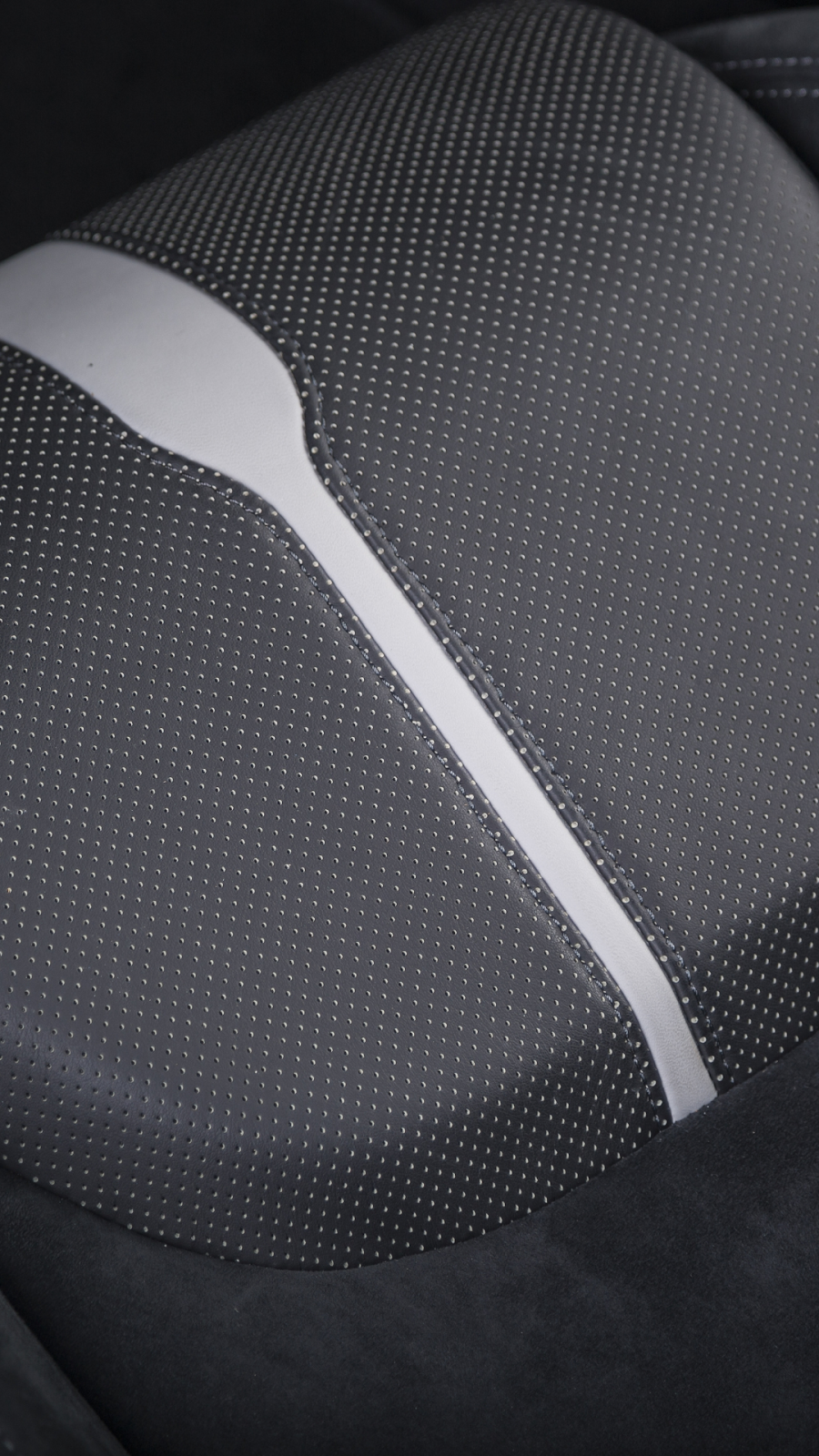
Why Precision Fit Leather Covers Matter For Your Truck Or SUV
Leather seat covers influence more than appearance. Choosing leather custom fit seat covers affects how the seat supports your body, how the material wears over time, and whether integrated features continue to function correctly. Compared to generic options found in broader Truck Seat Covers categories, precision-fit designs are built to work with the seat rather than against it.
Fit Determines Comfort And Support
Seats are engineered with specific contours to support posture, weight distribution, and movement. Precision-fit leather covers are patterned to follow those contours exactly, ensuring the seat provides consistent support. When leather is pulled too tight or left too loose, pressure points develop and comfort drops quickly, especially on longer drives. A correct fit keeps the seat feeling balanced and supportive throughout daily use.
Preventing Wear Caused By Poor Fit
Loose or improperly shaped covers move against the seat with every entry, exit, and shift in position. That movement accelerates wear in high-contact areas, causing wrinkling, stretching, and sagging. Precision-fit leather covers sit firmly against the foam, reducing friction and preventing premature wear and tear on both the cover and the cushion underneath.
Preserving Seat Features And Safety Systems
Modern truck and SUV seats include integrated airbags, sensors, heating elements, and ventilation channels. Precision fit covers are designed with exact seam placement and cutouts that align with these systems. This allows airbags to deploy correctly and ensures heated or cooled seats continue to function without restriction. Covers that overlook these details can compromise both safety and comfort.
Maintaining A Factory Consistent Interior
Leather highlights inconsistencies more than most materials. Misaligned stitching, uneven panel spacing, or mismatched textures are immediately noticeable. Precision-fit leather covers utilize OEM-based patterns to match factory stitch lines, panel shapes, and material grain. This maintains the interior's visual consistency, avoiding a patched or aftermarket appearance.
Digital Patterning For Reliable Results
Precision fit begins with accurate data. Digital patterning enables leather covers to be cut according to the original seat specifications, rather than estimates. This process ensures repeatable accuracy across every panel, producing a cover that installs cleanly and fits as intended without forcing or adjustment.
Long-Term Performance That Matches Expectations
When leather covers fit correctly, they age more predictably. The material holds its shape, seams stay intact, and the seat continues to feel stable. Precision-fit leather covers support the long-term performance of the seat, delivering comfort and reliability that align with how trucks and SUVs are designed to be used.
Comparing The Seat Shop Covers To One Size Fits Most Options
Seat covers may appear similar at first glance, but differences in construction quickly become noticeable in daily use. Understanding how custom fit seat covers leather differ from universal designs helps explain why fit, comfort, and durability vary so widely, especially when reviewing breakdowns like OEM vs Aftermarket Seat Covers that highlight long-term performance differences.
How One Size Fits Most Covers Are Designed
One-size-fits-all seat covers are designed to accommodate a wide range of seat shapes, featuring elastic edges, loose panels, and flexible materials. This approach prioritizes broad compatibility over accuracy. Because the cover is not specifically designed for a particular seat, it relies on stretching and tension to stay in place, which often results in uneven coverage and exposed areas.
Common Fit And Wear Issues With Generic Covers
Generic covers frequently shift during entry and exit, bunch in high-contact zones, and loosen over time. These movement patterns increase friction, accelerating wear in the cover and the seat underneath. Misaligned seams and excess material also create pressure points that reduce comfort during longer drives.
Impact On Seat Features And Safety
Modern seats integrate airbags, sensors, heating, and ventilation systems that depend on precise alignment. One-size-fits-most covers often lack dedicated airbag seams or proper cutouts, which can interfere with deployment or block airflow. Elastic bands and universal openings may restrict seat movement or limit access to controls.
Vehicle Specific Patterning And Construction
Seat covers built to original specifications are patterned using vehicle-specific data. Panels are cut to match contours, bolsters, and anchor points exactly. This allows the cover to sit flush against the foam without relying on tension or excess material. The result is a stable installation that maintains proper seat geometry.
Long-Term Comfort And Material Performance
A proper fit reduces movement, which helps materials age evenly. When covers stay in place, stitching holds, foam maintains support, and surfaces resist premature stretching. Vehicle-specific covers support consistent comfort and appearance through daily use, rather than degrading after short-term wear.
Value Beyond Initial Installation
Generic covers often require replacement due to fit issues or accelerated wear and tear. Precision-fit covers are designed to last, reducing the need for repeated purchases or adjustments. The difference is not only apparent in appearance but also in how the seat feels and functions over time, especially in trucks and SUVs designed for regular use.
We build custom-fit leather seat covers to restore the way your interior is supposed to feel. At The Seat Shop, every cover is patterned for your exact seat, stitched with precision, and crafted to restore factory comfort and control. If your seats have lost their shape or support, this is how you get them back.
Leather Care Essentials To Keep Your New Covers Looking Sharp
Proper care plays a crucial role in maintaining the appearance and flexibility of the best leather seat covers for the longest time. Routine cleaning and conditioning, paired with appropriate products from trusted Seat Covers collections, help protect the leather surface from drying, cracking, and uneven wear caused by daily use.
Routine Cleaning To Prevent Surface Wear
Dust, grit, and debris accumulate in the leather grain over time, even during everyday driving. If left in place, these particles create friction that slowly breaks down the surface. Regularly wiping seat covers with a clean, slightly damp microfiber cloth removes buildup before it causes wear and tear. This simple habit helps maintain texture and reduces long-term surface damage.
Using Automotive Specific Leather Cleaners
When deeper cleaning is needed, use a pH-balanced leather cleaner formulated for automotive interiors. These cleaners lift oils and residue without stripping natural moisture from the material. Avoid using household cleaners or degreasers, as they can dry out leather and weaken protective coatings over time. Always apply cleaner gently and wipe away residue completely.
Conditioning To Maintain Flexibility And Strength
Leather relies on proper moisture balance to stay flexible. Conditioning every three to six months helps replenish oils lost through heat, sun exposure, and regular contact. Apply conditioner sparingly using a soft, lint-free cloth and work it evenly into the surface. Proper conditioning reduces cracking, stiffness, and premature fading.
Managing Heat And Sun Exposure
Temperature fluctuations and direct sunlight accelerate the aging of leather. Parking in shaded areas or using sunshades limits UV exposure, which can cause leather surfaces to dry and discolor. During hotter months, ventilation and regular conditioning help prevent excessive drying, which can lead to surface hardening and reduced comfort.
Avoiding Common Sources Of Damage
Sharp objects, heavy tools, and abrasive clothing increase wear on leather seat covers. Being mindful of what contacts the seat helps preserve stitching and surface finish. Promptly cleaning spills also prevents staining and chemical damage, especially from substances that break down protective coatings.
Long-Term Care For Lasting Appearance
Consistent care routines enable leather to age evenly while preserving its original texture. When cleaning and conditioning become part of regular maintenance, seat covers retain their structure, appearance, and comfort. Proper care supports the longevity of custom-fit leather covers and keeps interiors looking well-maintained over time.
DIY Installation Help With Expert Videos And Local Installer Support
Correct installation ensures that custom leather covers for truck seat applications perform as intended from the very first day. Whether installing in a pickup or exploring options designed for larger cabins, like SUV Seat Covers, having access to clear video guidance and professional installer support helps achieve a factory-level fit without compromising safety or comfort.
Step-by-Step Video Guidance For Accurate Installation
Full-length installation videos guide you through the entire process, from seat removal to final attachment. Each step is shown clearly, helping installers understand where panels align, how covers wrap around bolsters, and how anchoring points are secured. Seeing the process in real time reduces guesswork and helps prevent common mistakes during installation.
Clear Visuals For Complex Seat Features
Modern truck and SUV seats include components such as integrated airbags, heating elements, ventilation channels, and adjustable bolsters. Installation videos demonstrate how covers are positioned around these features without interfering with function. Visual instruction helps ensure seams align properly and sensitive areas remain unobstructed throughout the process.
Expert Tips That Improve Final Fit
In addition to basic steps, expert insights address common challenges, such as evenly tightening covers, aligning stitching, and managing tight areas. These details help achieve a clean finish that mirrors factory upholstery. Minor adjustments shown in the videos often make the difference between an average installation and a precise one.
Support For Installers Of All Experience Levels
Whether tackling a first-time project or having prior experience, structured guidance allows installers to work confidently at their own pace. Videos can be paused or reviewed as needed, making the process more manageable and reducing the chance of errors that require rework.
Local Installer Locator For Professional Assistance
For those who prefer professional installation, an installer locator streamlines the process of finding qualified upholstery shops in your area. These professionals are familiar with precision-fit covers and understand how to work with safety systems and factory seat features. Professional installation ensures proper fit without the time commitment of DIY work.
Flexible Options Without Compromising Results
Having both DIY resources and professional support allows customers to choose the installation method that fits their comfort level. Whether installing personally or working with a local expert, access to the right tools and guidance ensures seat covers fit correctly and perform as intended.
Spotting The Signs Your Factory Seat Cover Needs Replacing
Before seat damage becomes impossible to ignore, factory seat covers usually show clear warning signs. Recognizing these issues early helps preserve comfort, prevent further wear, and maintain interior function.
- Cracking & Uneven Fading: Prolonged sun exposure and daily contact cause leather or fabric to dry, fade, and crack, indicating that the material is losing its structural integrity, not just its surface appearance.
- Loose Or Distorted Seams: Stitching that pulls apart or sits unevenly weakens the cover’s structure, allowing damage to spread quickly and increasing the chance of tearing during regular entry and exit.
- Wrinkles & Sagging Panels: Persistent wrinkles or sagging areas often signal stretched material that no longer conforms to the seat shape, reducing support and accelerating wear in high-contact zones.
- Flattened Or Worn Surface Areas: Smooth, shiny patches or flattened grain indicate repeated friction, especially on bolsters and seat edges, showing the cover can no longer handle daily movement effectively.
- Reduced Seat Support & Comfort: A seat that feels uneven or uncomfortable typically indicates a breakdown of the cover and cushion, which can affect posture and comfort during longer drives or extended daily use.
- Exposed Cushion Or Fraying Edges: Visible foam, frayed edges, or splits near controls are clear indicators that the cover has failed and should be replaced before deeper seat damage occurs.
Addressing these signs early allows you to restore the proper fit, protect the underlying seat structure, and keep your truck or SUV interior functioning and looking as it should.
Custom fit leather seat covers are designed to mirror original seat shapes and features. We use OEM-sourced materials and digital patterns to achieve a clean, factory-matched appearance.
Yes. Our seat covers are designed for DIY installation and include step-by-step video guidance. For those who prefer professional help, an installer locator is available.
Leather seat covers resist everyday moisture and spills but are not fully waterproof. Prompt cleaning helps protect the material and maintain its appearance over time.
No. Each seat cover is engineered with airbag compatibility in mind, using precise stitching and seam placement to meet OEM safety requirements.
We offer factory-matched colors, grains, and finishes using OEM-sourced materials, allowing interiors to maintain their original look and consistent design details.
We specialize in trucks and SUVs, offering custom fitment for many popular models. Coverage varies, so checking vehicle compatibility ensures proper fit and finish.