
Ford Transit Seat Covers
Do your Ford Transit seats feel worn long before the vehicle itself shows its age? Frequent stops, long hours behind the wheel, and repeated entry and exit place constant strain on Transit seating, often leading to sagging cushions and stretched upholstery.
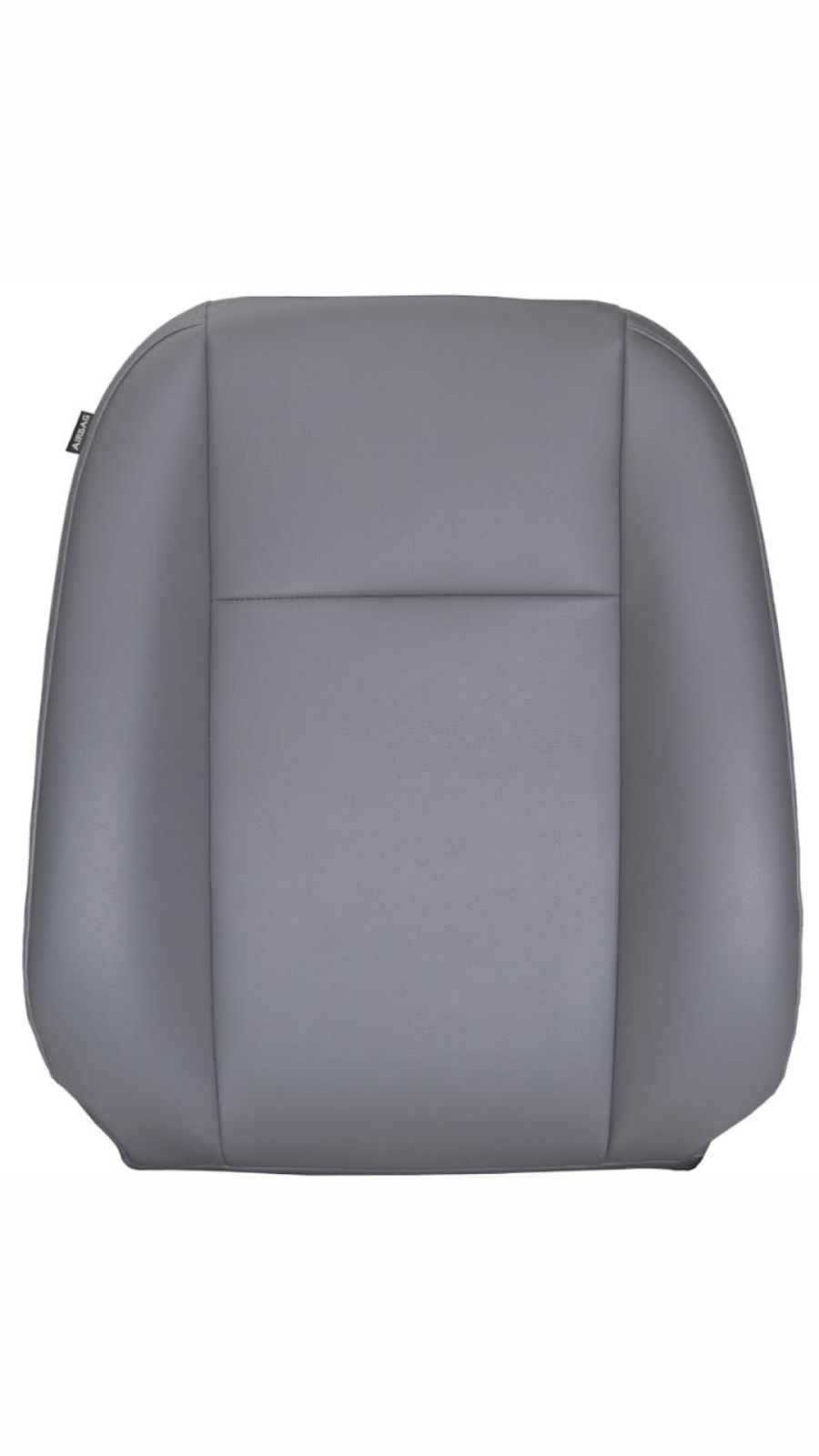
Understanding How Ford Transit Seats Are Used And Worn
Ford Transit vehicles are designed to handle a wide range of responsibilities, from carrying passengers to supporting long daily routes and repeated stops. Because of that versatility, Transit seats are exposed to far more wear than most vehicle interiors. Understanding how that wear develops helps explain why replacement becomes necessary and why fit matters so much in the long run.
Driver Seat Versus Passenger Seat Wear
In most Transits, the driver's seat experiences the highest level of stress. Frequent entry and exit, long hours behind the wheel, and constant movement gradually break down upholstery and compress foam. Over time, this leads to sagging cushions, loose material, and reduced support, making long drives uncomfortable. Passenger seats tend to wear more slowly, but consistent use eventually affects both comfort and appearance.
Passenger And Mixed-Use Transit Seating
Passenger Transits distribute wear across multiple seating rows, while mixed-use vehicles often concentrate damage on the front seats. In both cases, seating needs to be restored properly. When seat covers Ford Transit are designed to replace worn upholstery instead of hiding it, they help bring back structure and support across every seating position.
Entry And Exit Frequency
Transit drivers often make dozens of stops throughout the day. Sliding in and out of the seat repeatedly stresses the bolsters and lower cushions, especially on the driver's side. Over time, this constant motion stretches material and weakens attachment points, creating discomfort that routine cleaning or surface fixes cannot resolve.
Long Driving Hours And Fatigue
Extended time behind the wheel makes seat support especially important. When upholstery and foam lose structure, posture shifts and fatigue build more quickly. A properly restored seat helps maintain a consistent driving position and reduces strain during long shifts or extended trips.
Why Factory-Matched Fit Matters
Transit seats rely on specific shapes, contours, and attachment points to function correctly. Universal options rarely hold up under this level of use. That’s why we build factory-matched replacement solutions like our OEM Fit Seat Covers, which replace worn upholstery instead of sitting on top of it. By restoring proper fit and tension, these replacements help Ford Transit interiors feel supportive and dependable again, rather than worn out.
Common Seat Problems Ford Transit Owners Notice First
Seat wear in a Ford Transit usually becomes noticeable long before the vehicle itself shows signs of slowing down. These early issues often signal that the seating is no longer supporting daily use the way it should.
- Loss of Firmness & Support: Seats begin to feel soft or uneven as foam compresses, making long drives less comfortable and reducing proper posture behind the wheel.
- Loose or Stretched Upholstery: Material may start to sag or shift, especially on the driver's seat, creating an untidy appearance and reducing overall seat stability.
- Discomfort During Longer Drives: What starts as minor discomfort can turn into fatigue as support breaks down and pressure points develop over time.
- Uneven Wear Between Seating Positions: Driver seats often wear much faster than passenger seats, creating an inconsistent feel across the interior.
- Seats Feeling Worn Before The Vehicle Does: Many Transit owners notice that the seats age faster than the rest of the vehicle, signaling the need for proper replacement rather than surface fixes.
Recognizing these common problems early helps Transit owners understand when it’s time to move beyond temporary solutions and start thinking about properly restoring seat comfort and structure.
If worn seating is affecting comfort, focus, or consistency inside your Ford Transit, it’s time to address the issue properly. At The Seat Shop, we help owners replace damaged upholstery with factory-matched seat covers built for daily use. Restore support, improve comfort, and keep your Transit interior dependable for the long haul.
Fit And Function Requirements For Ford Transit Seat Covers
Once seat wear becomes noticeable, the next step is choosing a solution that restores function without interfering with how the vehicle is used every day. Ford Transit seating is designed for long hours, frequent adjustments, and repeated entry and exit, which makes fit and functionality just as important as appearance.
Why Exact Fit Matters In A Transit Interior
Transit seats rely on precise contours and attachment points to stay supportive during long drives. When replacement upholstery fits correctly, it maintains even tension across the seat and prevents shifting or bunching that can develop with loosely fitted alternatives.
Supporting Seat Movement And Adjustability
Transit drivers adjust their seats often throughout the day. Replacement upholstery needs to move naturally with the seat frame so sliding, reclining, and height adjustments continue to work smoothly. Properly matched replacements allow the seat to function as it was designed.
Replacement Upholstery Versus Cover-Over Options
Cover-over options sit on top of worn material and rely on straps or elastic to stay in place. That approach does not address stretched upholstery or collapsed foam underneath. With Ford Transit van seat covers designed as full replacements, the worn cover is removed and replaced, restoring the structure rather than masking damage.
Maintaining Comfort During Long Driving Hours
Comfort plays a major role in reducing fatigue. When upholstery fits correctly and support is restored, weight is distributed evenly across the seat. This helps maintain posture for extended periods behind the wheel and improves comfort throughout a full workday.
How Transit Use Compares To Other Ford Vehicles
Transit seating experiences different demands than pickups or personal vehicles. Comparing wear patterns with options like our F150 Seat Covers highlights how Transit interiors face longer daily use and more frequent adjustments. That’s why we design Transit replacements to prioritize durability, fit, and function first, helping the interior remain dependable no matter how the vehicle is used.
Choosing The Right Seat Covers For Ford Transit Vans
Ford Transit interiors see far more daily use than most vehicles, which is why replacement decisions need to be made carefully. When we compare Transit seating demands to lighter-duty vehicles like our Ford Ranger Seat Covers, the difference becomes clear. Transit seats require solutions built for frequent use, long hours, and consistent support rather than occasional driving.
Prioritizing Front Seats Versus Full-Cabin Coverage
In many Transits, the front seats wear out first due to frequent entry and exit and long driving hours. Some owners focus on restoring those seats first, while others prefer consistent coverage throughout the cabin. Both approaches work when replacements are properly matched.
Cargo And Passenger Layout Considerations
Cargo vans concentrate wear on the front seating positions, while passenger Transits distribute wear across multiple rows. Replacement upholstery must reflect those layouts so seam placement and material tension remain consistent across the interior.
Matching Replacements To Original Seat Design
Transit seats are shaped to support posture during long drives. When replacement covers follow the original design, they sit securely on the frame and feel stable during everyday use, rather than being loose or uneven.
Avoiding Universal-Fit Problems
Universal options often struggle in high-use vans because they are not designed for specific seat contours or attachment points. Over time, this leads to shifting material, uneven wear, and reduced comfort.
What Defines The Right Replacement Solution
When owners ask about the best seat covers for Ford Transit, the answer comes down to fit, durability, and long-term comfort. A factory-matched replacement restores structure and support so the interior can keep up with how the vehicle is actually used.
Year-Specific And OEM-Style Replacement Considerations
When Transit seats begin to feel uneven or lose support, the issue is often deeper than surface wear. In high-use vehicles, foam breakdown plays a major role, which is why we look at both upholstery and structure.
Why Model-Year Accuracy Matters
Ford Transit seat frames, contours, and attachment points change over time. Even small updates affect how upholstery stretches and settles. Choosing replacements built for the correct year helps maintain proper tension and prevents shifting or uneven wear after installation.
Addressing Mid-2010s Transit Seat Designs
Mid-2010s Transits introduced changes to seat shape and support zones, especially in high-use driver seats. Owners looking for Ford Transit OEM seat covers 2017 often need solutions that match those updates, so the replacement fits the seat frame correctly and restores original support.
Factory-Style Look Without Dealer Parts
A clean, consistent interior matters in both personal and fleet vehicles. OEM-style replacement upholstery restores the seat's original look without relying on dealer parts. When covers match the original patterns and materials, the interior feels cohesive rather than patched together.
Restoring Support Beneath Worn Upholstery
Surface wear is only part of the problem. Over time, foam compresses and loses shape, changing posture and reducing comfort. Addressing underlying support helps the new upholstery sit correctly and feel stable during daily use. Our f250 Super Duty seat cushion replacement helps illustrate that addressing cushioning beneath the cover matters just as much as replacing the seat cover itself.
Supporting Long-Term Use And Consistency
Transit vehicles are built to last for years on the road. Year-correct, OEM-style replacements help seats hold their shape, maintain comfort, and stay consistent across seating positions as miles add up.
Installation Options, Support, And Warranty
Installing replacement seat covers correctly is essential for long-term comfort and durability, especially in a Ford Transit that sees regular use. We design our process to be flexible, whether you prefer a hands-on approach or professional support.
- Seat Preparation Before Installation: We recommend removing the original upholstery to inspect the seat frame and foam. This step ensures worn areas are identified early so the replacement sits flat and stretches evenly.
- Checking Foam Condition: High-mileage Transits often experience foam fatigue, particularly on the driver's seat. Addressing foam wear during replacement helps restore posture and prevents new upholstery from feeling uneven.
- DIY Installation With Video Guidance: Many customers install seat covers themselves. To support this, we provide step-by-step DIY installation videos that guide the process and help ensure proper alignment and attachment.
- Professional Installer Support: For added convenience, we offer an installer locator to connect customers with experienced upholstery professionals who are familiar with proper replacement techniques.
- Warranty & Long-Term Confidence: Our seat covers are backed by a warranty that reflects our commitment to quality and durability, helping Transit interiors remain comfortable and dependable over time.
When installed correctly, replacement seat covers help keep Ford Transit interiors functional and comfortable for the long haul.
Ford Transit seat covers are designed to replace worn upholstery, restoring proper fit, structure, and support rather than covering damage with temporary solutions.
Yes. Replacement seat covers are available for both cargo and passenger Transits, ensuring proper fit and consistent support across front and rear seating positions.
Yes. Seat frames and attachment points vary by model year, so choosing replacements built for your specific Transit year is important for proper fit.
No. When properly fitted, replacement seat covers align with original attachment points and allow seat movement and adjustments to function normally.
Many Transit owners choose to install replacement seat covers themselves using step-by-step guidance designed to make the process manageable.
Transit seats experience frequent entry and exit, as well as long driving hours, which accelerate upholstery and foam wear compared to lighter-use vehicles.