
Ford Explorer Seat Covers
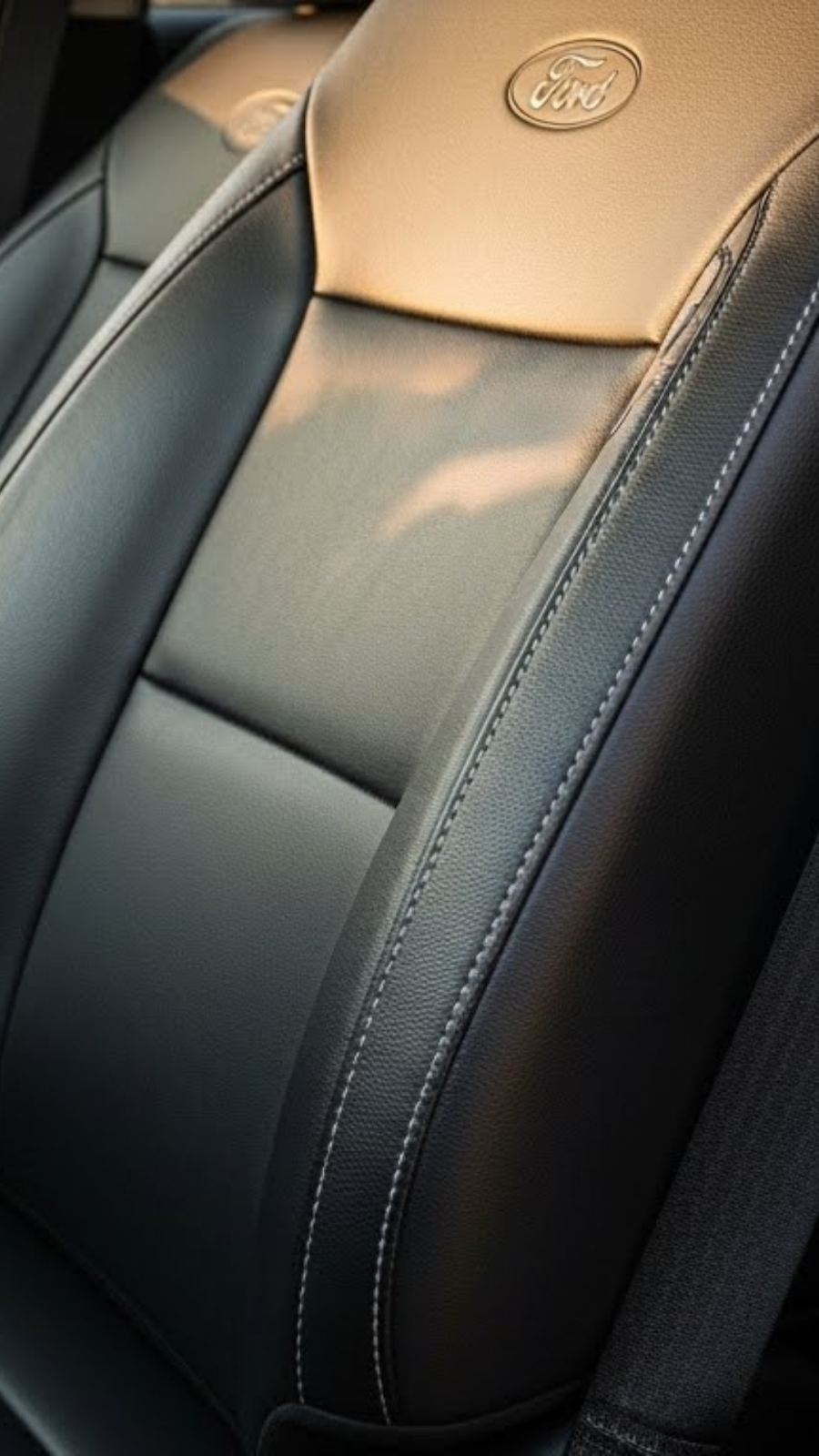
Ford Explorer seat covers need to handle family trips, commutes, and miles that add up quickly. Fit affects posture, comfort, and the interior's aging over time. Material choice affects how heat, movement, and wear are managed daily. Ford Explorer seat covers are designed to support the vehicle's cabin without overpowering it, preserving the driving experience rather than masking it.
Why Ford Explorer Seats Wear Out Faster Than You Think
Seat wear in Explorers often becomes noticeable earlier than expected, especially in high-use models where daily stress accumulates quickly. For owners researching 2003 Ford Explorer seat covers, early surface breakdown, foam compression, and bolster wear are often the first indicators that restoration is needed. Options such as Custom Seat Covers help address these issues before more serious structural damage develops.
Daily Entry And Exit Stress
Every time you get in or out of the vehicle, the seat bolsters absorb friction and pressure. This repeated movement gradually weakens surface materials and stitching. Over time, high-contact areas lose their shape, leading to thinning fabric, cracked leather, and visible wear lines that spread beyond the initial contact points.
Constant Exposure To Sun And Heat
Sunlight and heat play a significant role in interior aging. UV exposure dries out leather, fades color, and breaks down protective coatings. In cloth interiors, fibers weaken and discolor unevenly. Temperature swings accelerate this process, causing materials to expand and contract, which stresses seams and surface layers.
Friction From Daily Habits
Every day routines contribute more damage than most drivers realize. Sliding across the seat, placing bags or tools on the cushion, and repeated pressure from pockets or keys create abrasion. Over time, this friction smooths the leather grain, thins the cloth fibers, and weakens the seams in areas that already experience heavy use.
Foam Compression Beneath The Surface
Seat comfort depends heavily on the cushion beneath the cover. As foam compresses from daily weight and movement, it loses its ability to rebound. This leads to uneven support, sagging areas, and a sinking feeling when seated. Foam breakdown often appears before significant surface damage becomes obvious.
Interior Design And Vehicle Use Patterns
SUVs, such as the Explorer, are often used for commuting, family transportation, and long-distance trips. This variety of use increases seat exposure to moisture, dirt, and movement. Rear seats may also experience accelerated wear from frequent folding or passenger use, which further stresses the materials and hardware.
How Wear Impacts Comfort And Perception
As seats lose structure and support, driving comfort declines. Pressure points develop, posture suffers, and long drives become more tiring. Visually, worn seats make the entire interior feel older, even if the rest of the vehicle remains well-maintained.
How Digital Patterning And OEM Materials Deliver Factory Alignment
Accurate factory alignment is especially crucial for applications like 2006 Ford Explorer seat covers, where precise seam placement and foam interaction significantly impact long-term comfort. Using OEM-matched materials alongside modern patterning methods, similar to those found in Exact Fit Leather Seat Covers, ensures the covers restore fit, support, and feature compatibility rather than relying on stretch or adjustment.
Capturing Original Seat Dimensions And Geometry
Digital patterning begins with detailed measurements of the original seat. Contours, bolsters, depth, and transition points are mapped to reflect factory geometry. This ensures that the covers follow the seat’s natural shape rather than relying on stretch or adjustment during installation.
Mapping Factory Seam Placement And Stitch Paths
Seams play a structural role in how a cover fits and wears. Digital patterns position stitching precisely where the manufacturer intended, ensuring visual consistency and preventing tension points that can cause premature wear or misalignment.
Aligning Covers With Foam And Frame Structure
An accurate fit depends on how the cover interacts with the internal foam and the seat frame. Patterning accounts for foam density zones, frame edges, and anchoring locations, allowing the cover to sit flush and distribute tension evenly across the surface.
Oem Matched Materials For Consistent Performance
Leather, vinyl, and cloth are selected to match factory specifications for grain, thickness, and durability. These materials are engineered to wear predictably, maintain color consistency, and integrate naturally with the rest of the interior.
Preserving Safety And Comfort Features
Seats rely on precise cover construction to support airbags, sensors, heating, and ventilation systems. Digital patterning and OEM materials ensure that seams and cutouts align correctly, allowing these features to function without restriction or compromise.
Delivering Long-Term Fit And Interior Stability
Once verified, digital patterns create repeatable accuracy across production runs. Combined with stable materials, this consistency ensures covers maintain proper fit, comfort, and appearance over time, avoiding the shifting and degradation familiar with generic alternatives.
We build Ford Explorer seat covers to match the way your seats were meant to feel and function. At The Seat Shop, each cover is patterned for the right year and trim, sewn to factory standards, and built to restore comfort and support. If your Explorer interior feels tired, this is how you fix it properly.
Comparing Explorer Generations And Trim Codes
Seat design differences become more pronounced when comparing trims and years, such as 2009 Ford Explorer seat covers, where stitching layouts, materials, and integrated features can vary significantly. Reviewing construction approaches used in related interiors, such as Truck leather seat covers, helps highlight why vehicle-specific patterning is necessary for proper fit and performance.
- Identifying Explorer Generations: The 2003–2010 Ford Explorer spans two generations, each with different seat shapes, stitching layouts, and internal structures that require generation-specific cover patterning.
- Understanding Trim Code Differences: Trim levels such as Eddie Bauer, Limited, and XLT determine seat materials, panel layouts, and stitching details, all of which affect how a seat cover must be constructed.
- Material & Feature Variations By Trim: Leather, vinyl, or cloth choices vary by trim and often include differences in heating elements, sensors, or airbag placement that require precise cover compatibility.
- Importance Of VIN & Trim Verification: Checking the factory VIN sticker confirms exact trim information, preventing mismatches that can cause poor fit, blocked features, or misaligned seams during installation.
- Ensuring Proper Fit & Functionality: Matching the correct generation and trim ensures that seat covers align with airbags, heaters, and contours, thereby preserving comfort, safety, and the factory-level appearance.
Taking the time to verify generation and trim details ensures seat covers perform correctly, fit precisely, and maintain the integrity of your Explorer’s interior design.
What To Expect When Your Order Arrives
Receiving your seat cover order should remove uncertainty, not create it. From packaging to installation readiness, every element is designed to make restoring your Ford Explorer interior straightforward and predictable.
Precisely Built Covers Ready For Installation
Inside the box, you will find seat covers cut and sewn specifically for your Explorer’s configuration. Each piece reflects original seat contours, seam placement, and panel layout. This precision ensures that the covers are prepared to align correctly with factory foam, frames, and attachment points, eliminating the need for force or adjustment.
OEM Matched Materials You Can Feel Immediately
Materials are sourced to match factory leather, vinyl, or cloth in grain, thickness, and color. When handled, the material feels substantial and consistent, reflecting the high quality of an OEM product. This consistency enables the new covers to blend seamlessly with the rest of the interior, rather than standing out as replacements.
Clear Labeling For Every Component
Each cover and cushion section is clearly labeled for its specific seating position. This eliminates confusion during installation and prevents unnecessary trial and error. Knowing exactly where each piece belongs saves time and reduces the risk of improper placement.
Instructions Designed For Real-World Installation
Printed instructions are written clearly and follow a logical sequence. They focus on correct installation order, proper attachment methods, and alignment checkpoints. Instructions are designed to support both first-time installers and experienced DIYers, eliminating the need for guesswork.
Access To Full-Length Installation Videos
Along with printed guidance, installation videos are available to demonstrate the whole process. These videos show how covers wrap around bolsters, align with seams, and secure to anchor points. Visual guidance helps address details that are easier to understand when seen rather than described.
Support Options If You Prefer Professional Help
For those who choose not to install covers themselves, information for locating professional installers is included. These installers are familiar with vehicle-specific seat covers and understand how to maintain safety features and proper fit during installation.
Only What Is Needed, Nothing Extra
The package contains only the components required for your specific seats. There are no unnecessary straps or filler parts. This keeps the process focused on restoring your seats correctly rather than sorting through excess hardware.
Restoring Driver Comfort With Durofoam Cushions
Foam breakdown is often uncovered when replacing covers, particularly in 2010 Ford Explorer seat covers, where long-term compression affects posture and support. Addressing cushions simultaneously with covers, using solutions comparable in structure to F150 Leather Seat Covers applications, enables the seat to regain its proper height, balance, and driving comfort as a complete system.
Why Factory Seat Foam Loses Support Over Time
Seat foam is under constant pressure from daily driving, body weight, and movement. Over time, it compresses and loses its ability to rebound. This leads to sagging areas, uneven support, and a seat that no longer distributes weight properly, especially in high-use driver positions.
How Worn Cushions Affect Driving Comfort
When foam deteriorates, discomfort becomes noticeable. Drivers may experience pressure points, lower back strain, or fatigue during regular trips. Frequently shifting positions is often a sign that the cushion is no longer providing stable, balanced support throughout the seat surface.
Durofoam Construction Built To OEM Specifications
Durofoam cushions are engineered to match original equipment specifications for shape, density, and support zones. The foam is designed to maintain consistent firmness, resisting collapse and deformation that commonly occur in aging factory cushions.
Secure Fit Using Factory Anchoring Points
Proper support depends on stability. Durofoam cushions are molded to align with factory mounting points, ensuring they anchor securely to the seat frame. This prevents movement or shifting, ensuring the cushion stays positioned correctly during entry, exit, and long drives.
Restoring Proper Seating Position And Posture
Replacing worn foam restores the seat’s original height and contour. This improves posture by evenly supporting the hips, lower back, and thighs. Correct seating position reduces strain and helps drivers feel more connected and comfortable behind the wheel.
Maximizing Results When Paired With New Seat Covers
Installing a new cushion alongside replacement seat covers enables both components to work together effectively. The cover fits smoothly over properly shaped foam, eliminating wrinkles and loose areas. This combination restores comfort, appearance, and long-term durability as a complete system.
Step-By-Step Removal Tips For Explorer Seat Skins
Before installing new seat covers, removing the original seat skins correctly helps prevent damage to foam, wiring, and mounting points. Taking a careful, step-by-step approach makes the process smoother and sets up a cleaner final result.
- Disconnecting Power & Removing The Seat: Always disconnect the battery first, then unbolt the seat from the floor and carefully unplug wiring connectors to avoid damaging the airbag or heating systems.
- Accessing Underside Fasteners: Turn the seat to expose the underside, where Hog Rings or plastic retainers secure the skin, and use proper tools to remove them without stressing the seat frame.
- Releasing Hog Rings & Retaining Tabs: Cut or pry Hog Rings carefully and gently disengage plastic tabs, noting their locations so the new cover can be secured correctly during reinstallation.
- Peeling Back The Seat Skin Slowly: Remove the skin section by section, pulling gradually to separate it from foam, and watch closely for hidden clips or Velcro strips near bolsters and headrests.
- Inspecting Foam & Organizing Hardware: Once the skin is removed, inspect the foam for sagging or damage. Store all bolts, clips, and rings in labeled containers for easy reassembly.
Following these steps methodically helps protect seat components and ensures your new Explorer seat covers install cleanly, fit correctly, and restore the interior as intended.
Yes. Each Ford Explorer model year and generation has unique seat dimensions, so our covers are cut and sewn to match exact trims and seating configurations.
We offer leather, vinyl, and cloth sourced from OEM suppliers, allowing accurate color matching and textures that blend naturally with the original interior design.
Yes. Every seat cover is engineered to meet OEM airbag deployment standards, ensuring side airbags function properly without restriction or interference.
Yes. Our seat covers are designed to work seamlessly with heated and ventilated seating systems, ensuring warmth and airflow function as initially intended.
Installation is DIY-friendly with detailed, step-by-step videos filmed on Ford Explorer seats. Professional installation is also available through our installer locator.
No. Our covers maintain full access to seat adjustments, folding mechanisms, lumbar support, and other factory features without limiting movement or performance.